Why Simulation Games Are the Ultimate Strategy Games for Gamers Today
In the vast universe of gaming, where countless genres vie for players' attention, simulation games have emerged as a dominant force. Why? Well, it’s simple—these games offer the perfect blend of engagement, creativity, and strategic depth. They aren't just for those who want to build cities or manage farms; simulation games challenge players to think critically and strategize effectively. In this article, we'll dive deeply into why simulation games are considered the ultimate strategy games today.
What Are Simulation Games?
Before we delve into the specifics, let’s understand what simulation games are. These games recreate real-world experiences, allowing players to manipulate environments and situations. From managing a thriving city in Cities: Skylines to leading a colony on Mars in Surviving Mars, simulation games cover a wide array of topics. They challenge players to think strategically while ensuring a dose of fun and engagement.
A Unique Blend of Strategy and Reality
Unlike traditional strategy games like RTS (Real-Time Strategy) or TBS (Turn-Based Strategy), simulation games carve their niche by adding a layer of realism. Players are not just building units or conquering territories; they are immersing themselves in a living, breathing world that reacts to their choices. This interaction makes every decision feel weighty, thus leading to a more profound gaming experience.
Examples of Popular Simulation Games
- The Sims Series: A life simulation game that allows players to create and control people in a virtual world.
- Planet Coaster: A theme park management game combining creativity with strategy.
- Kerbal Space Program: A game that lets you build and manage your own space program.
- Farming Simulator: Dive into agricultural life while managing resources effectively.
The Cognitive Benefits of Playing Simulation Games
It’s not just about fun; simulation games enhance cognitive skills. Research suggests that players of simulation games show improved problem-solving abilities, enhanced creativity, and better decision-making skills. Engaging with these games often requires multi-tasking and strategic foresight, leading to significantly improved cognitive agility.
Story Mode Integration in Simulation Games
| Game Title | Developer | Release Year |
|---|---|---|
| Super Mario RPG: Legend of the Seven Stars | Square / Nintendo | 1996 |
| Stardew Valley | 2016 | |
| The Sims 4 | Maxis | 2014 |
Comparing Simulation Games to Traditional Strategy Games
While traditional strategy games tend to focus on combat and competition, simulation games emphasize growth and management. In simulation games, victories often stem from effective resource allocation rather than just eliminating opponents. This approach appeals to a broader audience, attracting both casual and hardcore gamers. Basically, while traditional strategy can hinge on quick reflexes and tactics, simulation demands a meticulous mindset.
The Role of Community in Simulation Gaming
Simulation games foster vibrant communities. Players share tips, mods, and even custom scenarios that breathe new life into established gameplay. Forums and social media groups dedicated to simulation games serve as hubs for gamers to exchange ideas and cultivate their creative strategies. Unlike many competitive games, the cooperative spirit is alive and well in the simulation gaming space.
Customization: A Game Changer
One attractive feature of simulation games is customization. Players can modify characters, architecture, and more according to their preferences. This ability to tailor experiences makes every player's journey unique. Be it designing an intricate city or creating a colossal theme park, simulation games offer vast avenues for creativity.
Challenges That Keep Players Engaged
Many simulation games involve challenges that require timely decisions under pressure. For instance, managing resources efficiently in a city-building game like Cities: Skylines can feel daunting, but that’s what makes it thrilling. Players face dilemmas that test their strategic acumen, creating a sense of accomplishment when they overcome these hurdles.
Esports and Simulation Games: A Surprising Combination
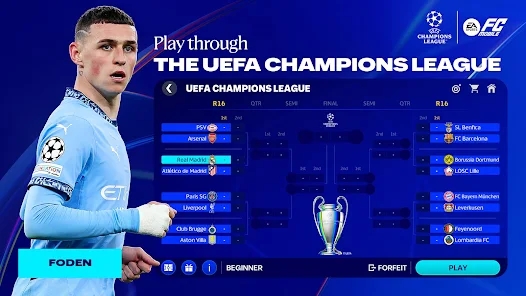
Believe it or not, simulation games have begun to carve a space in the esports arena. Titles like FIFA and Wreckfest offer competitive environments that attract players and viewers alike. This phenomenon illustrates that strategy doesn’t always equate to war; sometimes, it’s about sportsmanship and skill.
The Future of Simulation Games
The trajectory of simulation games is one of innovation. With advancements in technology, VR and AR are becoming more integrated into simulation games, promising a more immersive experience. Imagine walking through a simulated city or farming your land—all while experiencing the fullness of 3D technology. Exciting times are surely ahead!
Conclusion: Why Simulation Games Rule
In a world saturated with gaming options, simulation games stand out like a diamond in the rough. They combine elements of strategy, creativity, and real-world application to create experiences unlike any other. With their immersive gameplay and cognitive benefits, they undoubtedly deserve the title of the ultimate strategy games for today’s gamers. As we’ve explored, from rich storytelling to engaging communities, simulation games are not just a genre—they’re a vibrant, engaging universe waiting to be explored. So, what are you waiting for? Jump into the world of simulation gaming!